
TABLE OF CONTENTS
- Overview
- The Problem
- Research
- Design Solution
- Usability Testing
- Impact
- Second-Order Thinking
- Third-Order Thinking
1. Overview
Baby Care Trackers is a set of in-app tools inside theAsianparent that lets new parents log feeding, sleep, diapers and growth in one place. The goal was to turn a fragmented, stressful chore into a calm, shareable record of a baby's first months.
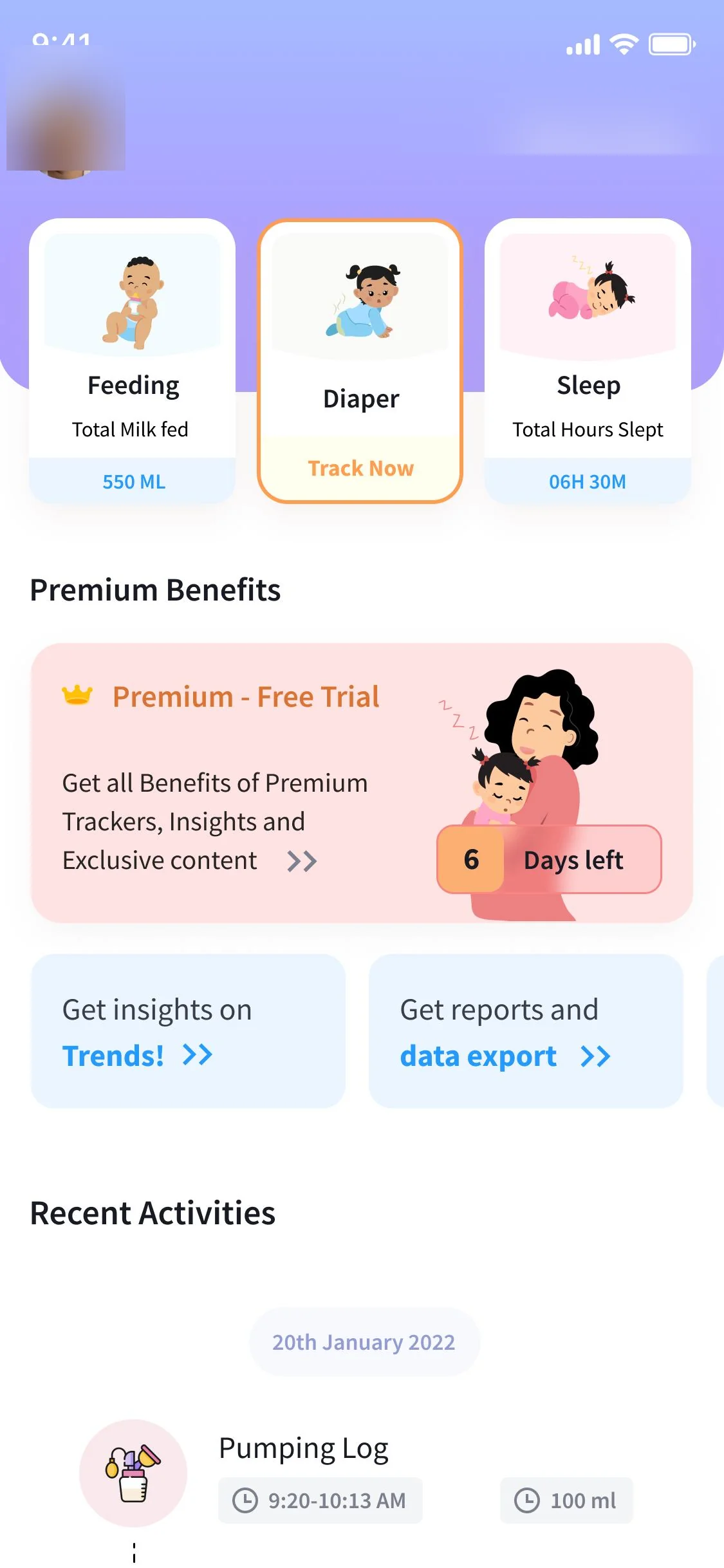
The product ran inside a 5M-install parenting platform where users were already seeking content, community and commerce. By embedding trackers directly in the app, we could reduce context-switching and capture behaviour data that made the rest of the platform more useful.
2. The Problem
New parents face three overlapping pressures:
- Information overload. Sleep deprivation makes it hard to remember when the baby last fed, slept or had a diaper change.
- Fragmented tools. Many parents used Notes apps, spreadsheets or multiple single-purpose apps, so the record was never in one place.
- Coordination friction. Partners, grandparents and helpers all needed updates, but the parent usually became the single source of truth.
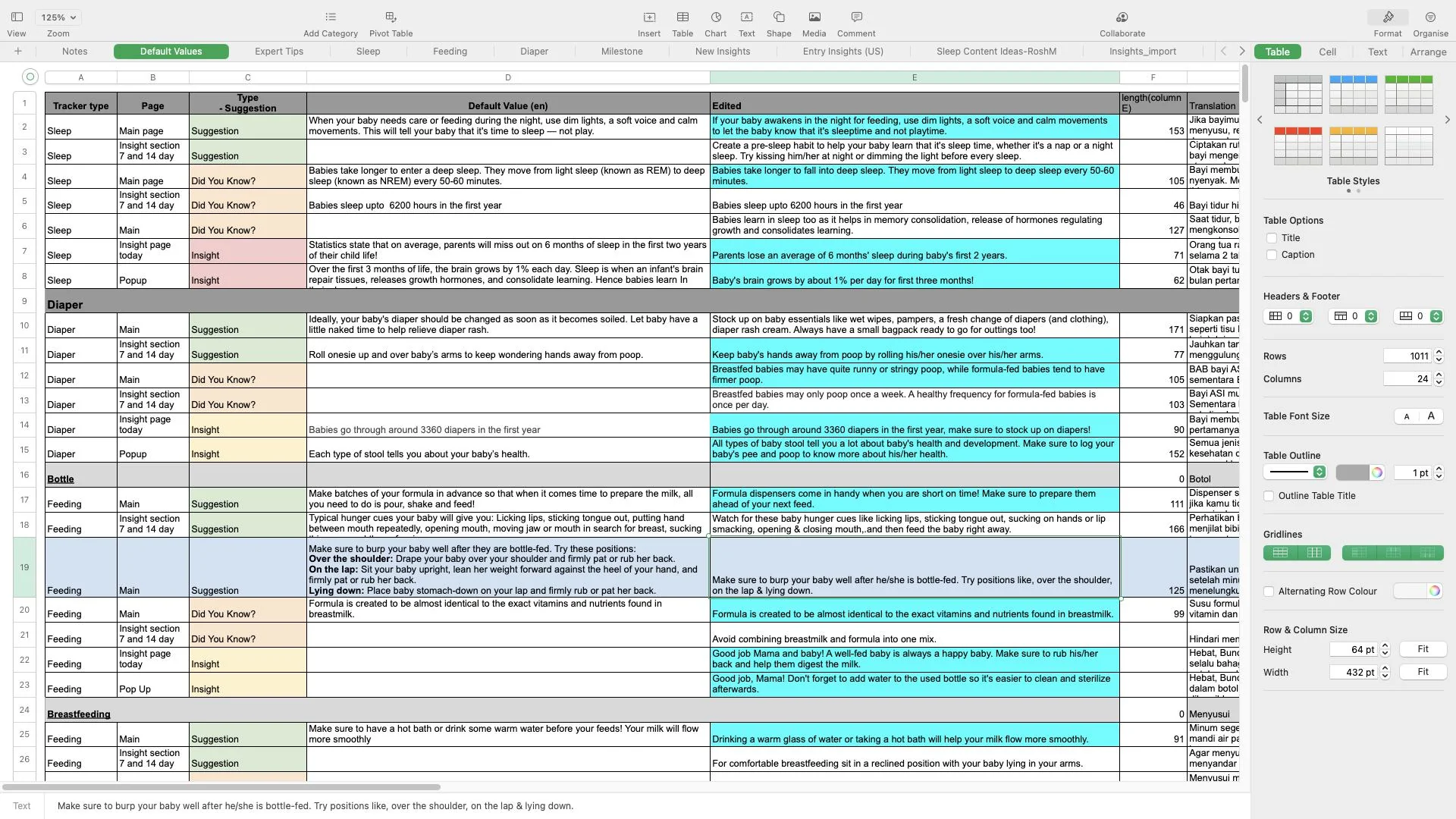
The hypothesis was simple: if theAsianparent could capture these daily rhythms natively, parents would return more often and trust the platform as a parenting companion, not just a content feed.
3. Research
3.1 Interviews and Segments
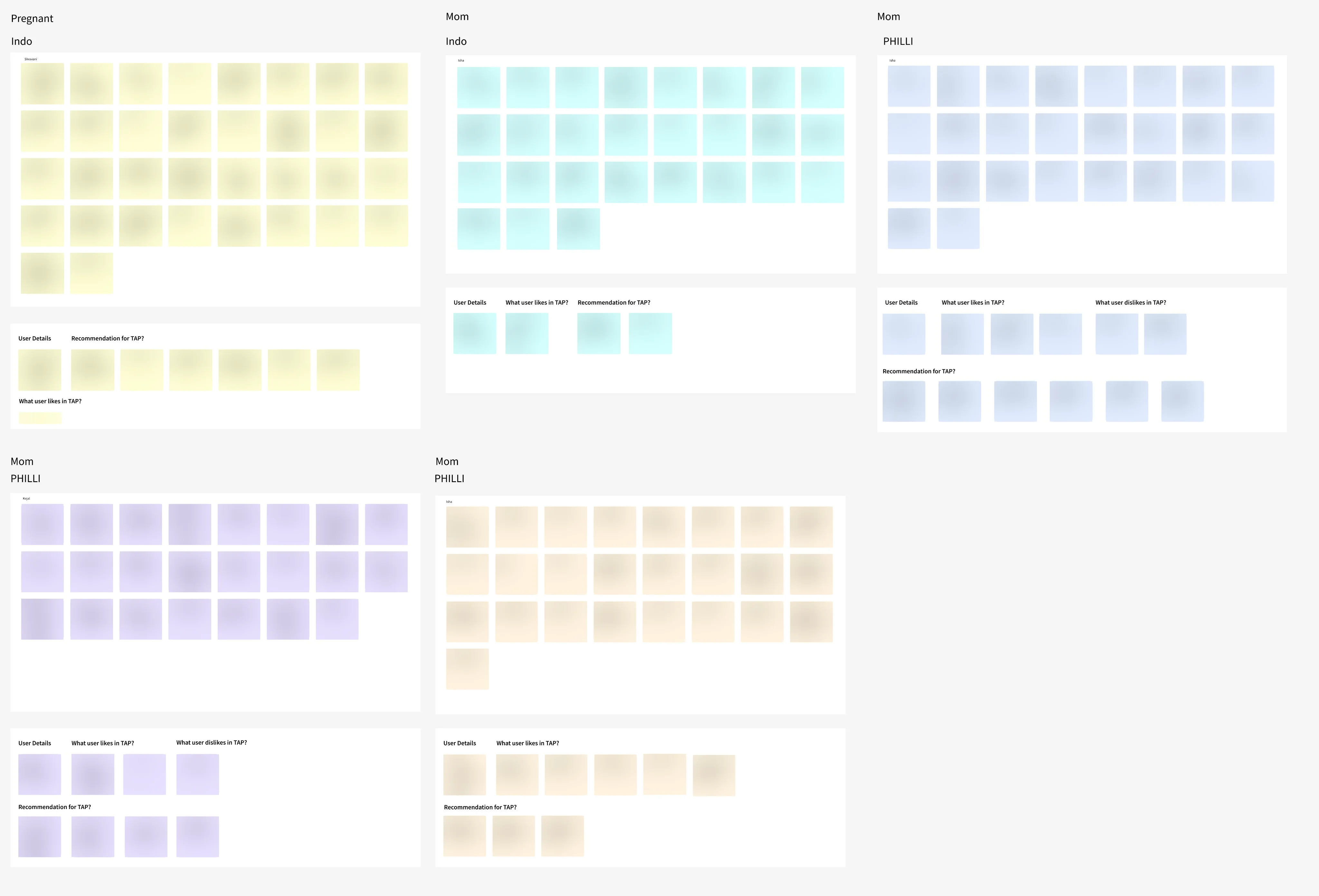
We ran 7 semi-structured interviews with parents across four segments:
- New — first-time parents still building routines.
- In-Trial — parents comparing theAsianparent to other apps.
- Free — existing users on the free tier.
- Paid — subscribers with higher engagement.
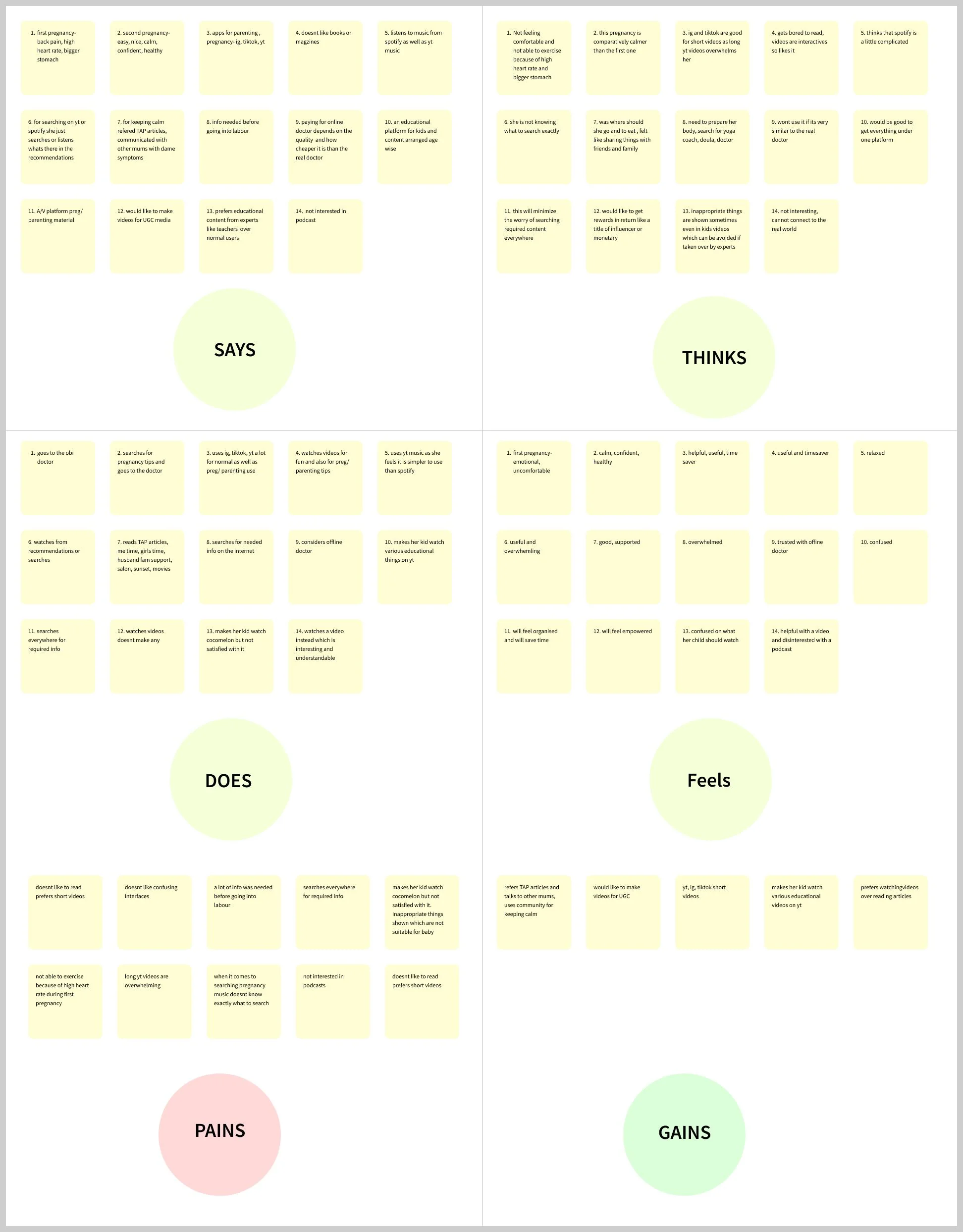
The interviews surfaced a consistent pattern: parents did not want more data entry; they wanted reassurance that their baby was on track and a simple way to share that story with others.
3.2 Affinity Themes
The research crystallised into five themes:
- Feeding & nutrition — timing, quantity, breast vs formula, allergies.
- Sleep & routine — naps, wake windows, sleep associations.
- Health & well-being — temperature, medication, symptoms, vaccinations.
- Growth tracking — weight, height, milestones.
- Communication & support — sharing logs with partners, helpers and doctors.
3.3 Personas
Three personas guided prioritisation:
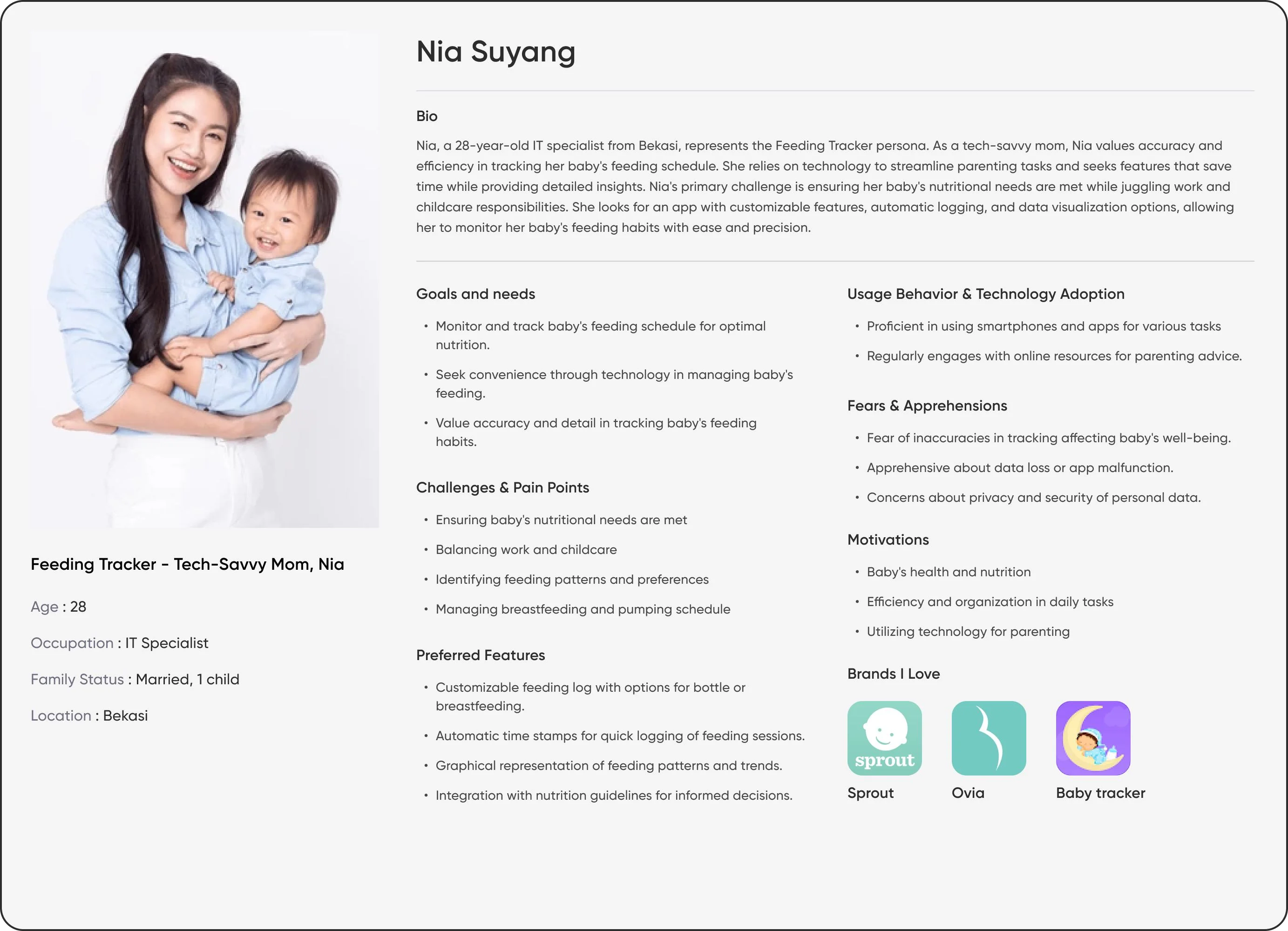
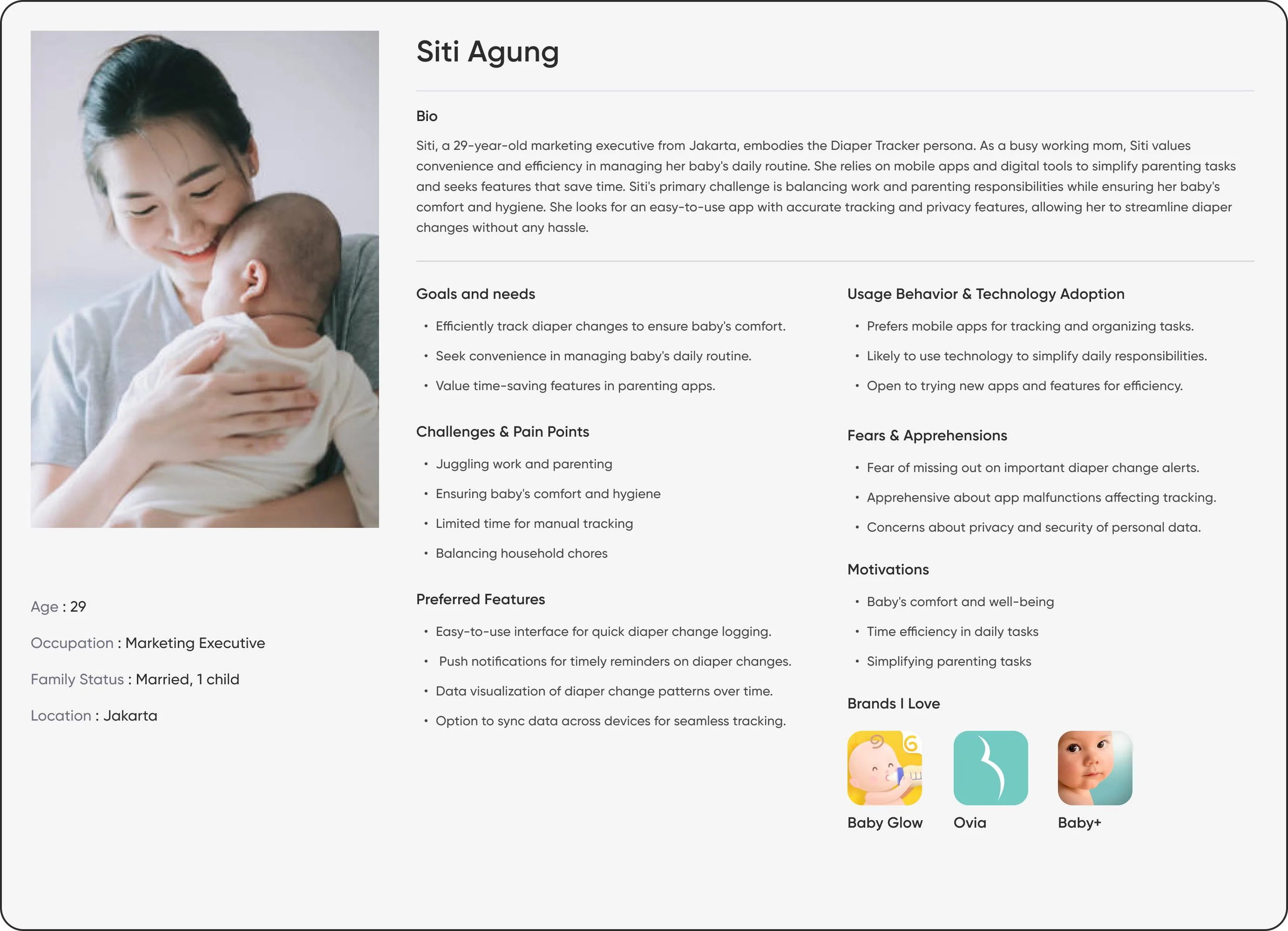
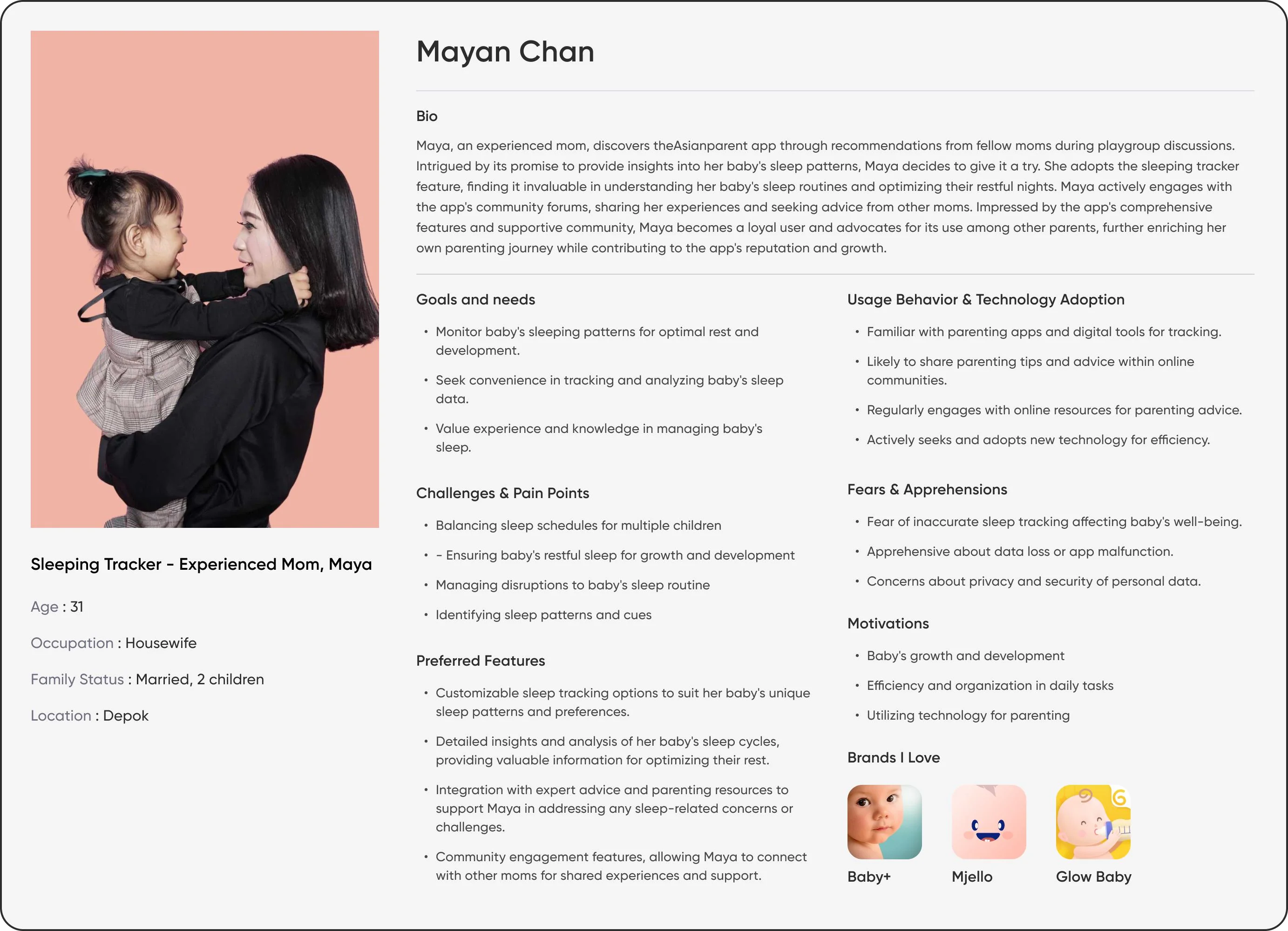
4. Design Solution
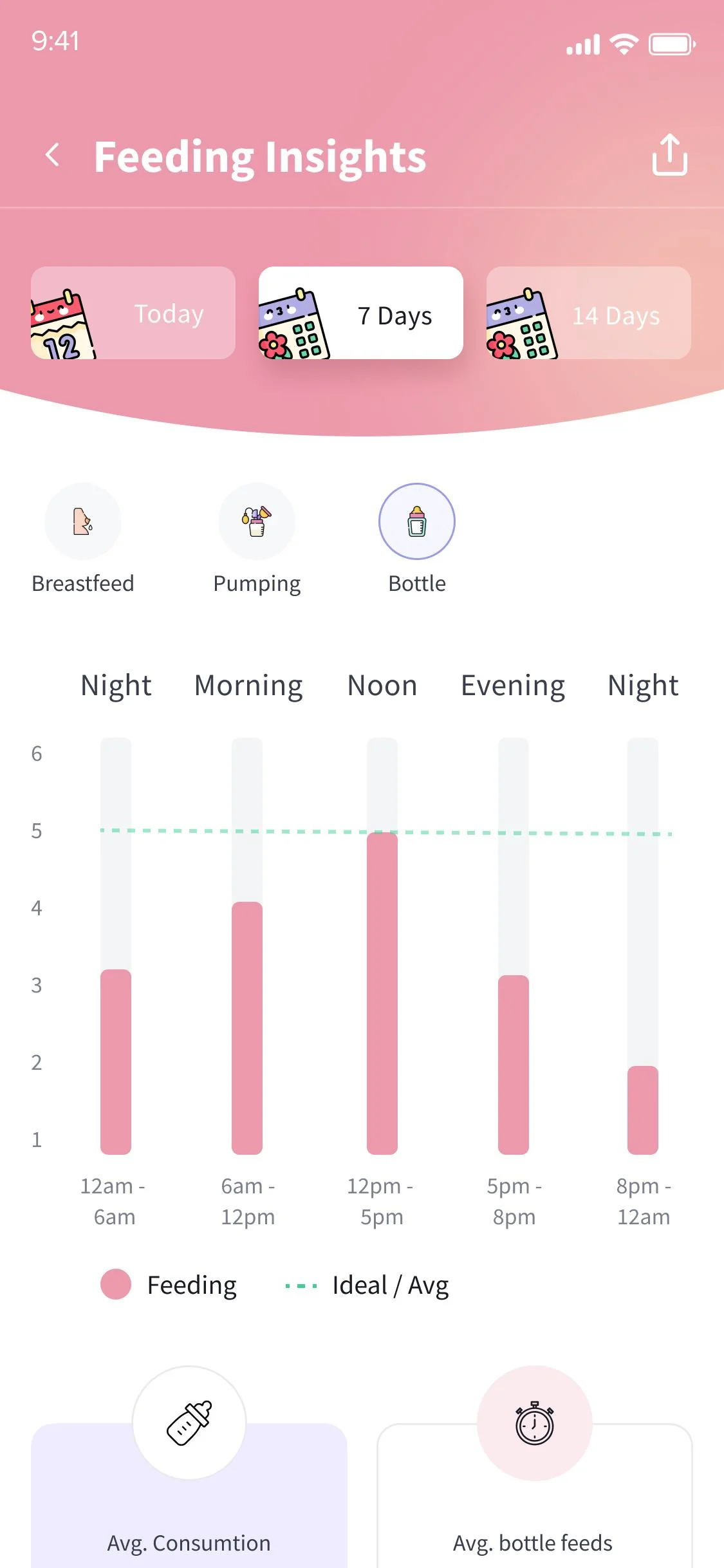
The design covered four trackers, each tuned to a different parenting need:
- Feeding — breast/bottle/solid logging with quantity and duration.
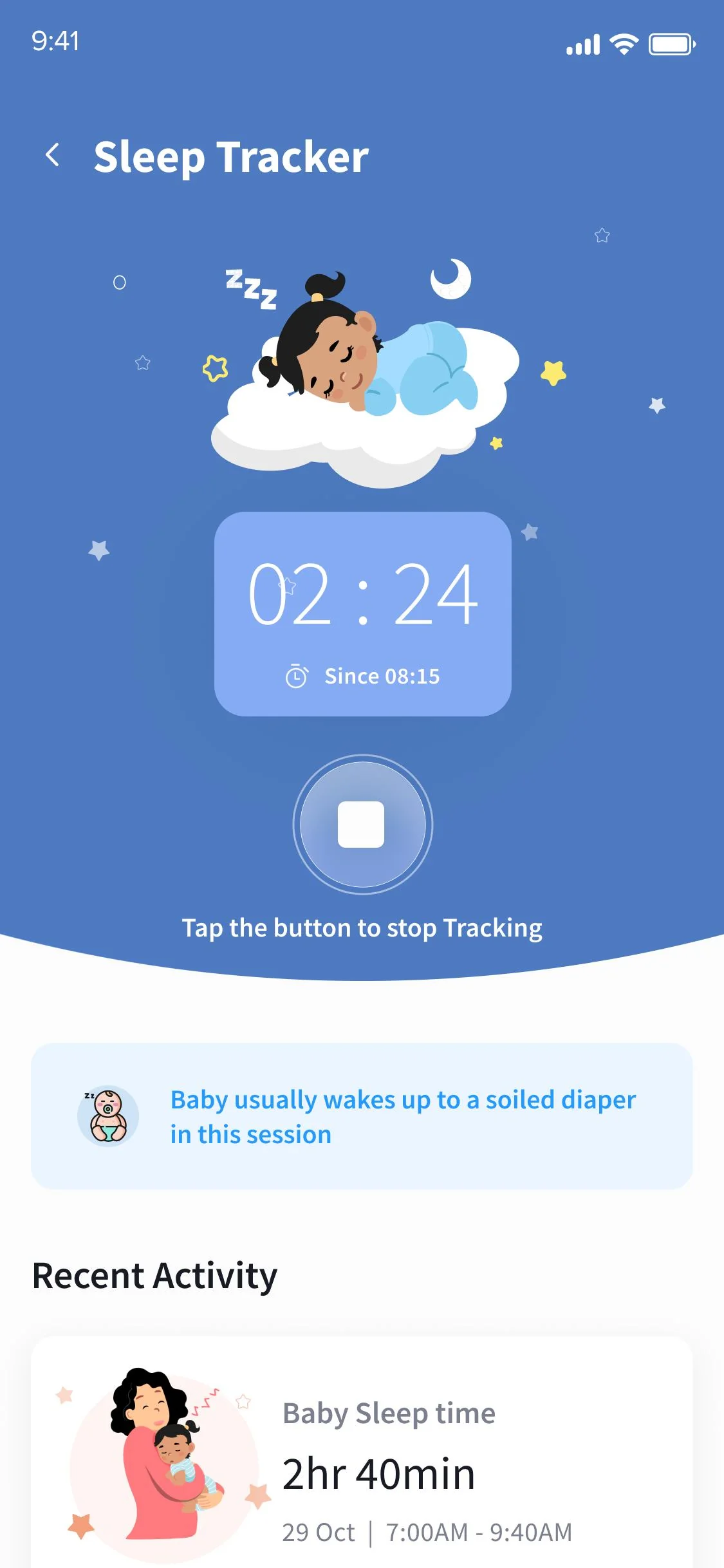
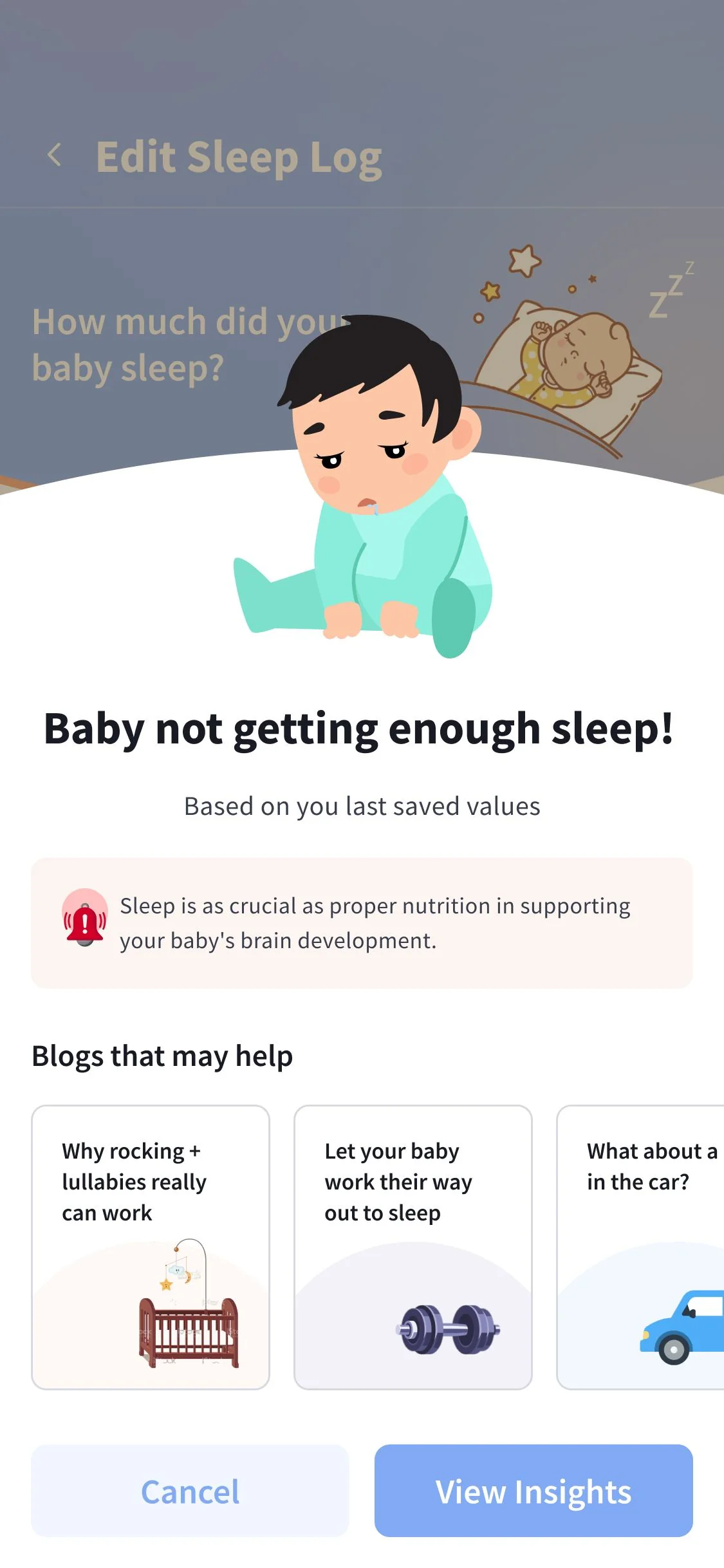
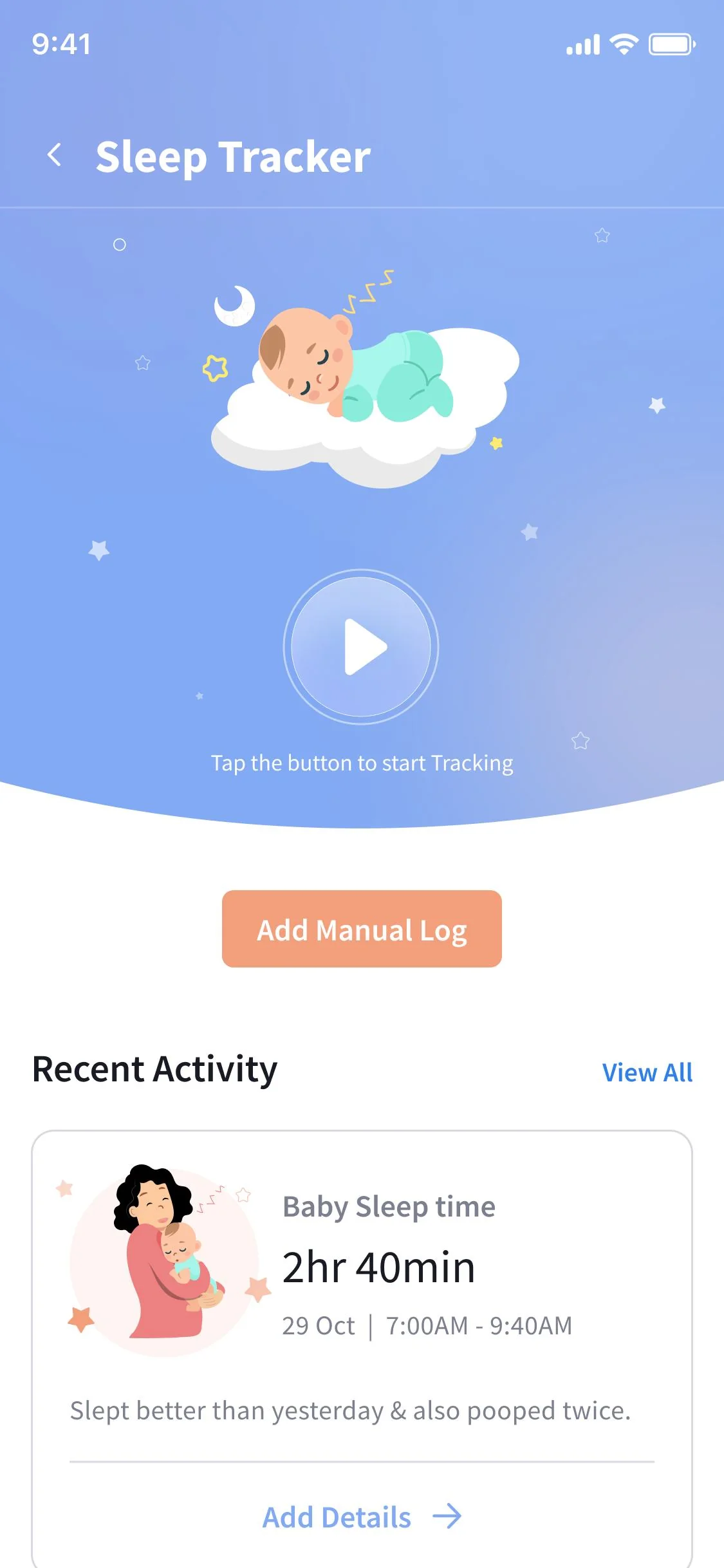
- Sleep — start/end timers, nap and night summaries, insight sheets.
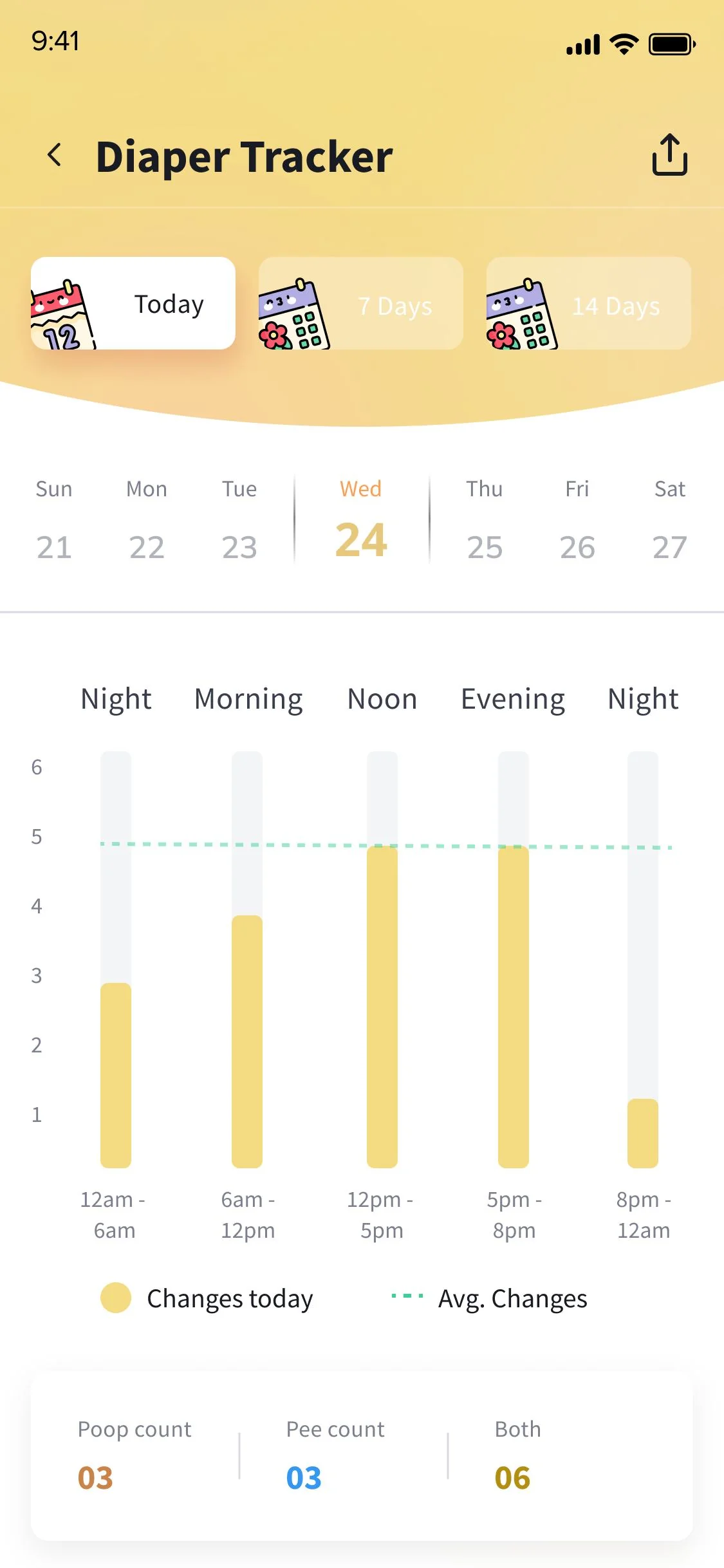
- Diaper — quick logging by type and time.
- Growth — weight, height and milestone snapshots.
5. Usability Testing
We usability-tested the onboarding and first tracker creation flow. The design was learnable overall, but one friction point stood out: first-time users struggled to create their first tracker group. They understood what each tracker did, but were unsure how to combine them into a routine.
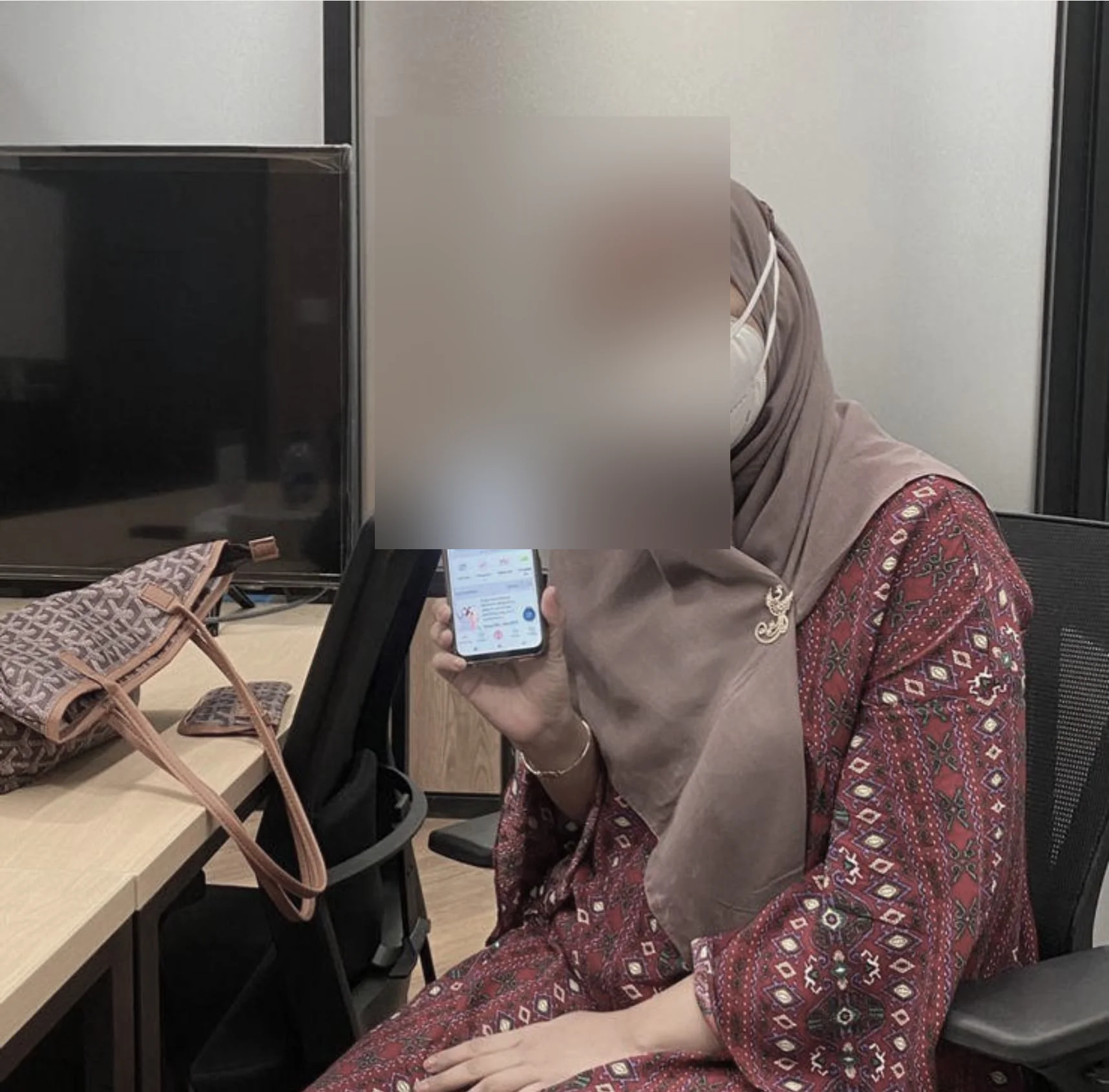
The fix was to add dashboard coach marks and a guided first-tracker setup that pre-selected a common routine (feed → sleep → diaper) parents could edit rather than build from scratch.
6. Impact
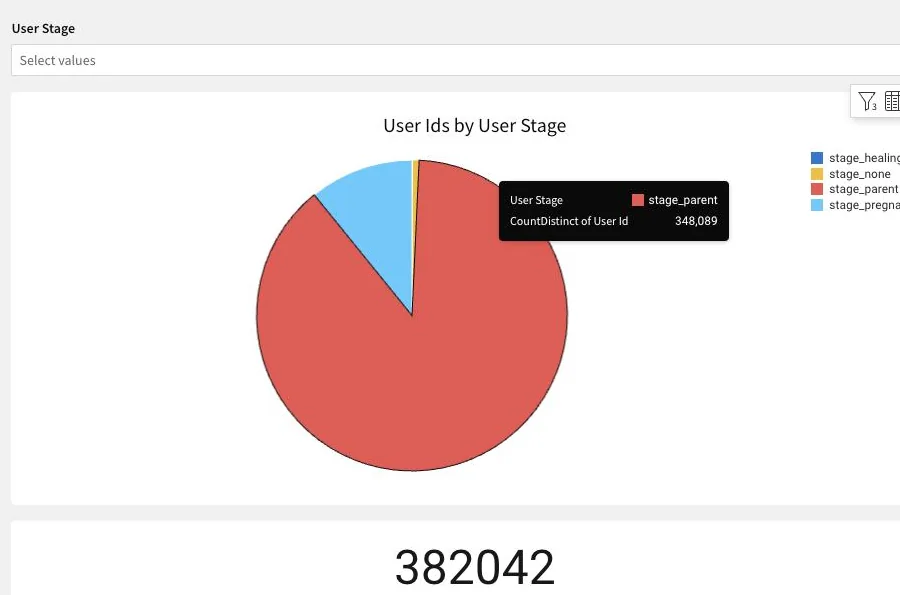
Baby Care Trackers reached 382,042 unique users.
Per-tracker usage showed which behaviours parents valued most:
| Tracker | Users |
|---|---|
| Diaper | 238,614 |
| Feeding | 237,241 |
| Sleep | 176,948 |
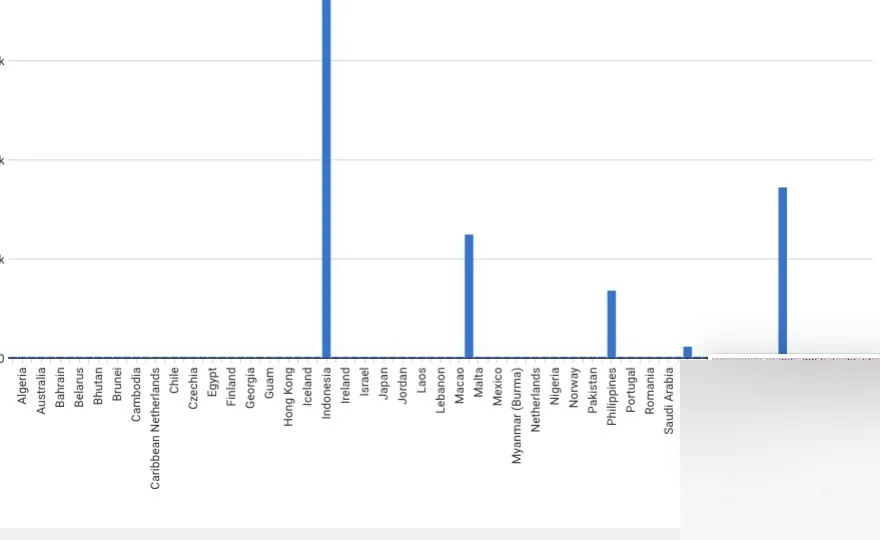
The numbers confirmed the core bet: parents wanted a single, lightweight place to log the basics. Diaper and feeding trackers outperformed sleep, which suggested an opportunity to make sleep onboarding even simpler.
7. Second-Order Thinking
- Data as a personalisation engine. Tracker data made content recommendations more timely — for example, surfacing sleep articles when a user's logs showed short naps.
- Healthcare adjacency. A shareable, timestamped log is valuable in paediatric visits. The next iteration could export a summary or integrate with clinic booking flows.
- Retention loop. Parents who logged consistently had higher session frequency than those who only consumed content, because the tracker created a reason to reopen the app multiple times a day.
8. Third-Order Thinking
- Platform trust. If tracker data is handled transparently, it deepens trust; if it is over-monetised or shared unexpectedly, it risks the exact trust the product is built on.
- Caregiver networks. As the tracker becomes a shared record, theAsianparent could become the coordination layer for an extended family's care routine, not just the mother's app.
- Longitudinal value. The first-year log is a high-switching-cost dataset. Done well, it creates a natural bridge from pregnancy content into toddlerhood and commerce.